
Article: Understanding Artisanal Perfume Making: A Deep Dive

Understanding Artisanal Perfume Making: A Deep Dive
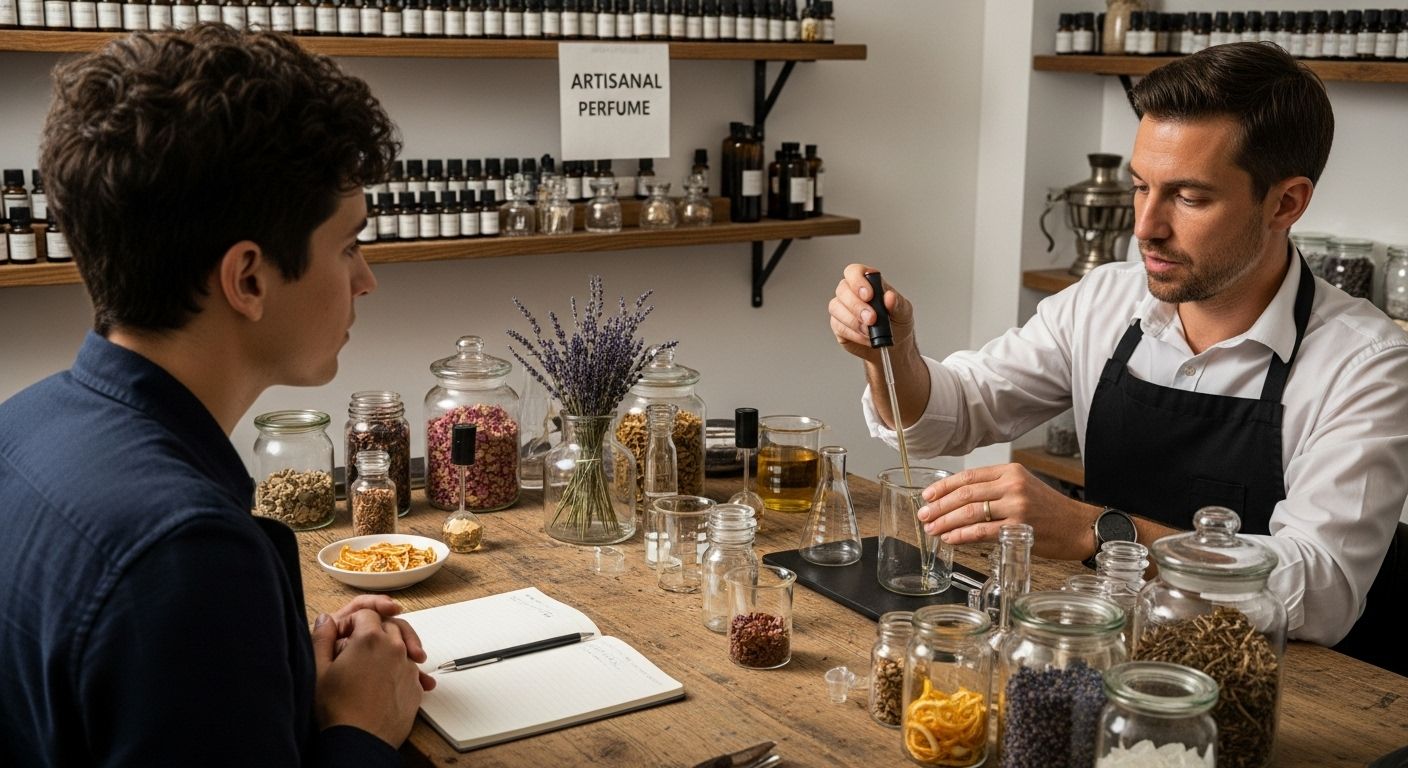
Artisanal perfume making turns rare botanicals into something far beyond typical fragrances. Some perfumes contain over 200 unique natural ingredients expertly blended by hand, while most commercial scents use just a handful. This means every spray is more like a private work of art than an off-the-shelf product you find in a store.
Table of Contents
- What Is Artisanal Perfume Making?
- The Importance Of Raw Materials In Perfume Creation
- The Role Of Fragrance Families And Composition
- How Artisanal Perfume Reflects Culture And Identity
- The Future Of Artisanal Perfume Making In A Global Market
Quick Summary
| Takeaway | Explanation |
|---|---|
| Artisanal perfume uses rare ingredients. | Master perfumers select high-quality, often uncommon natural materials to create unique fragrances. |
| Craftsmanship focuses on small batches. | Limited production quantities allow for meticulous attention to detail and personal creativity in each scent. |
| Perfume reflects personal and cultural identity. | Each fragrance serves as an olfactory autobiography, capturing individual experiences and cultural narratives. |
| Fragrance families help categorize scents. | Understanding fragrance families makes it easier to navigate and appreciate the diverse world of perfumes. |
| Technology is transforming artisanal perfumery. | Innovations in scent profiling and creation enhance traditional methods, allowing for greater creativity and personalization. |
What is Artisanal Perfume Making?
Artisanal perfume making represents a sophisticated craft that transforms rare botanical ingredients into extraordinary olfactory experiences. Unlike mass-produced fragrances, this meticulous process celebrates individual creativity, deep botanical knowledge, and precise sensory understanding.
The Essence of Artisanal Perfumery
Artisanal perfume making is a highly specialized art form that goes beyond simple fragrance creation. It involves carefully selecting, sourcing, and blending natural ingredients to produce unique scent compositions that tell a story. According to Journal of Chemical Education, the process integrates complex chemical understanding with artistic expression.
Key characteristics of artisanal perfume making include:
- Ingredient Selection: Using exclusively rare, high-quality natural ingredients
- Small Batch Production: Creating limited quantities with exceptional attention to detail
- Personal Creativity: Developing unique scent profiles that reflect individual artistic vision
Crafting the Invisible Art
The creation of an artisanal perfume requires extraordinary skill and sensory expertise. Perfumers must understand the intricate interactions between different essential oils, absolutes, and aromatic compounds. They develop complex formulations that balance top, middle, and base notes, creating multi-dimensional fragrance experiences.
Each artisanal perfume represents a carefully orchestrated symphony of scent, where every ingredient is purposefully selected to create a harmonious and emotionally evocative composition. The perfumer becomes both scientist and artist, translating botanical essences into liquid poetry that can transport the wearer to different emotional landscapes.
The artisanal approach prioritizes quality over quantity, celebrating the nuanced complexity of natural ingredients and the unique narrative each fragrance can communicate.
The table below highlights how key characteristics of artisanal perfumery distinguish it from mass-produced fragrances, showcasing what sets this craft apart for discerning perfume lovers.
| Characteristic | Artisanal Perfume | Mass-Produced Perfume |
|---|---|---|
| Ingredient Quality | Rare, high-quality botanicals | Mostly synthetic, common naturals |
| Production Scale | Small batch, limited edition | Large-scale, industrial |
| Creativity & Originality | High—expression of perfumer’s vision | Standardized, trend-driven |
| Emotional Impact | Deep, personal, culturally reflective | Generic, less nuanced |
| Scent Complexity | Multi-layered, unique compositions | Simple, repetitive |
| By rejecting standardized production methods, these master perfumers craft sensory experiences that are as individual and compelling as a fine piece of art. |
The Importance of Raw Materials in Perfume Creation
Raw materials form the fundamental building blocks of exceptional perfumery, representing the soul and essence of fragrance creation. These botanical and synthetic ingredients determine not just the scent profile, but the emotional resonance and sensory complexity of a perfume.
The Botanical Foundations
Natural raw materials are the cornerstone of extraordinary perfume design. According to UNESCO Intangible Cultural Heritage, the cultivation and processing of botanical ingredients represent a profound cultural art form that transcends mere ingredient selection.
Key considerations in raw material selection include:
- Geographic Origin: Understanding how climate and soil impact ingredient quality
- Extraction Method: Preserving the molecular integrity of botanical essences
- Seasonal Variations: Recognizing how environmental factors influence ingredient characteristics
Sensory Complexity and Emotional Depth
Each raw material carries a unique molecular signature that contributes to the perfume’s overall character. Essential oils, absolutes, and resins are carefully chosen not just for their individual scent, but for their potential to interact and create multi-dimensional olfactory experiences.
The art of raw material selection involves understanding subtle nuances: a jasmine essence from India will differ dramatically from one harvested in Egypt, each bringing distinct molecular profiles that influence the final fragrance. Perfumers approach these ingredients like painters selecting pigments, knowing that each element contributes to a larger sensory narrative.
Through meticulous selection and blending of rare botanical elixirs, master perfumers transform simple ingredients into extraordinary sensory journeys that transcend traditional fragrance boundaries.
The Role of Fragrance Families and Composition
Fragrance families represent a sophisticated classification system that helps perfumers and enthusiasts understand the complex world of scent design. These taxonomic groupings provide a structured approach to categorizing perfumes based on their predominant olfactory characteristics and molecular compositions.
Understanding Fragrance Family Architecture
According to Neurobiology of Sensation and Reward, fragrance families are intricate taxonomic systems that capture the nuanced essence of perfume compositions. These classifications help perfumers communicate and understand scent profiles with remarkable precision.
Primary fragrance families include:
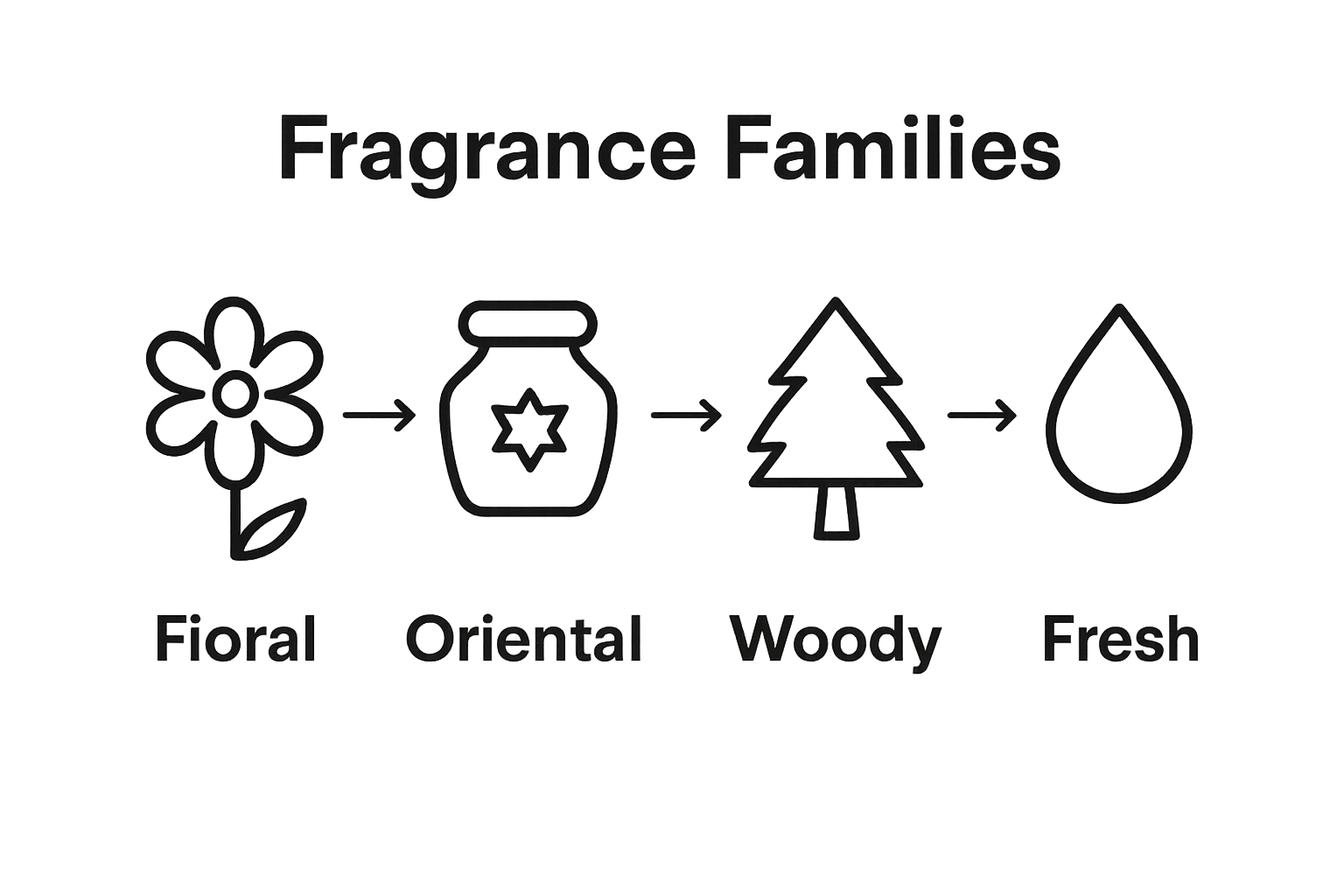
- Floral: Dominated by flower-inspired essences
- Oriental: Rich with warm, sensual notes
- Woody: Characterized by earthy, forest-like aromas
- Fresh: Featuring light, crisp, and clean scent profiles
Molecular Complexity and Sensory Interaction
Each fragrance family represents a complex molecular ecosystem where individual compounds interact to create unique sensory experiences. Perfumers carefully select and blend ingredients to achieve specific emotional and olfactory responses.
The composition of a fragrance follows a sophisticated layering system known as notes. Top notes provide the initial impression, middle notes form the heart of the fragrance, and base notes create lasting depth and resonance. This intricate structure ensures that perfumes evolve and transform on the skin, offering a dynamic sensory journey.
By understanding these rare botanical elixirs, perfumers craft olfactory masterpieces that transcend simple scent classification, creating emotional landscapes that resonate deeply with individual wearers.
Below is a table summarizing the key fragrance families and their core characteristics to help readers better understand how perfumes are categorized and what sensory qualities to expect from each.
| Fragrance Family | Core Characteristics | Typical Ingredients |
|---|---|---|
| Floral | Flower-inspired, romantic, often feminine | Rose, jasmine, lily |
| Oriental | Warm, sensual, exotic, often spicy | Amber, vanilla, spices |
| Woody | Earthy, dry, reminiscent of forests, grounding | Sandalwood, cedar, patchouli |
| Fresh | Light, crisp, clean, energetic | Citrus, green notes, aquatic accords |
How Artisanal Perfume Reflects Culture and Identity
Perfume transcends mere fragrance, emerging as a profound cultural artifact that communicates complex narratives of heritage, personal expression, and collective memory. Each artisanal perfume serves as an olfactory autobiography, capturing the essence of cultural experiences and individual journeys.
Scent as Cultural Memory
According to Latinx Project at NYU, perfumery represents more than aesthetic creation—it is a profound mechanism of cultural storytelling. Different cultures encode their histories, traditions, and emotional landscapes through distinctive aromatic compositions.
Key dimensions of cultural representation in perfumery include:
- Botanical Origins: Reflecting local ecosystems and traditional plant usage
- Historical Narratives: Preserving memories through specific scent combinations
- Ritualistic Significance: Representing ceremonial and spiritual practices
Personal Narratives and Sensory Expression
Artisanal perfumes function as intimate communication tools, allowing individuals to express complex emotional and cultural identities through carefully crafted scent profiles. The selection of ingredients, blending techniques, and overall composition become metaphorical languages that speak beyond verbal communication.
Every fragrance carries embedded cultural signatures: Arabian perfumes might incorporate rich oud and amber, representing desert landscapes and Bedouin traditions. Mediterranean compositions frequently showcase citrus and herbal notes, capturing the region’s vibrant botanical heritage. These olfactory expressions transform perfume from a cosmetic product into a nuanced form of cultural dialogue.
By exploring our rare perfume collections, enthusiasts discover not just fragrances, but living narratives that bridge personal experiences with broader cultural contexts.
The Future of Artisanal Perfume Making in a Global Market
The artisanal perfume landscape is undergoing a profound transformation, driven by evolving consumer preferences, technological innovations, and a growing appreciation for personalized sensory experiences. This dynamic shift represents a complex interplay between traditional craftsmanship and modern global market demands.
Market Evolution and Consumer Dynamics
According to Global Perfume Industry Analysis, the perfume industry is experiencing significant transformations. Consumers are increasingly moving away from mass-produced fragrances, seeking more personalized and meaningful olfactory narratives.
Key emerging trends in the artisanal perfume market include:
- Hyper-Personalization: Custom fragrance experiences tailored to individual preferences
- Sustainability: Growing demand for ethically sourced and environmentally conscious ingredients
- Digital Integration: Technology enabling more sophisticated scent profiling and creation
Technological Disruption and Creative Potential
Technological advancements are reshaping artisanal perfumery, offering unprecedented opportunities for innovation. Artificial intelligence and advanced molecular analysis are enabling perfumers to explore complex scent compositions with remarkable precision. This technological revolution does not replace traditional craftsmanship but enhances the creative potential of master perfumers.
The global market is witnessing a fascinating convergence of traditional techniques and cutting-edge technology. While synthetic alternatives and mass-market duplications pose challenges, true artisanal perfumers differentiate themselves through exceptional quality, unique narratives, and uncompromising commitment to craftsmanship.
Discover the next frontier of olfactory artistry with our exclusive elixir collection, where innovation meets timeless craftsmanship.
Elevate Your Senses with True Artisanal Perfumery
After exploring the art of artisanal perfume making, you may recognize how hard it is to find fragrances that truly honor rare ingredients, handcraftsmanship, and authentic sensory storytelling. Mass-produced perfumes simply cannot match the emotional depth or individuality described in this deep dive. The search for genuine quality, unique scent compositions, and packaging that feels like art can often leave you disappointed with mainstream options.
If you crave a sensory experience that reflects the principles of small batch artistry, rare botanical creations, and handmade excellence, you are ready to discover something rare. See how our Alpha 11 collection embodies everything this article celebrated. Each fragrance is crafted by hand in tiny batches, using only the most exclusive and pure raw materials. Bottles are presented in remarkable vessels—miniature masterpieces made from marble and precious woods and then handpainted for a finishing touch you cannot find anywhere else.

Step into a world where every creation tells a story. Visit adarperfumes.com for the full portfolio or browse our Against All Odds line for even more boundary-pushing scents. Experience the highest niche in indie perfumery today. Select your ultra-niche fragrance and claim a piece of olfactory history right now.
Frequently Asked Questions
What is artisanal perfume making?
Artisanal perfume making is a specialized craft that transforms high-quality, rare botanical ingredients into unique fragrances, emphasizing individual creativity and attention to detail.
How does the raw material selection impact the perfume’s scent?
The choice of raw materials greatly influences a perfume’s character. Factors like geographic origin, extraction methods, and seasonal variations all contribute to the complexity of the final scent.
What are the primary fragrance families in perfumery?
The primary fragrance families include Floral, Oriental, Woody, and Fresh. Each family is characterized by distinct olfactory notes and compositions that impact the overall scent experience.
How does artisanal perfume reflect cultural identity?
Artisanal perfume serves as a cultural artifact, encapsulating heritage and personal narratives through specific ingredients and compositions that represent local traditions and emotional landscapes.
Recommended

